PDCbuilder helps engineering teams evaluate bit performance under realistic downhole drilling conditions before manufacturing and field deployment. It provides a practical way to assess bit behavior earlier in the design process and reduce reliance on trial-and-error.
Key Capabilities
Simulate Bit-Rock Interaction
Capture the complex physics of the rock-cutting process.
Derive precise, 3D cutter load distributions across the entire bit.
Generate high-fidelity bottom-hole patterns as direct computational outputs.
Select and Compare Bits
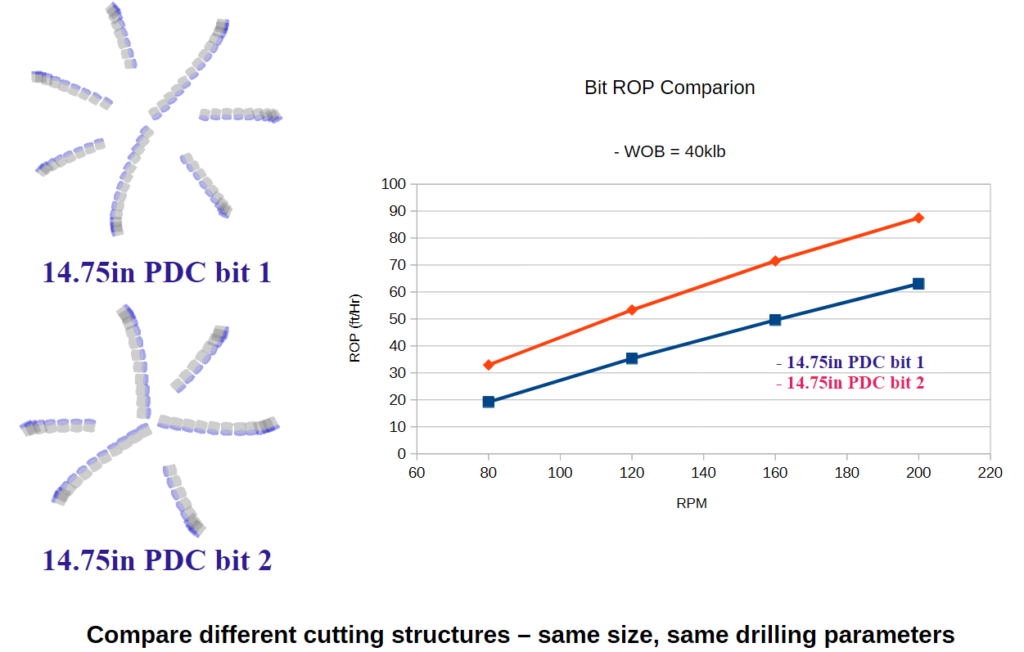
Compare multiple bit designs side-by-side.
Select the best bit for field application.
Optimize Drilling Parameters
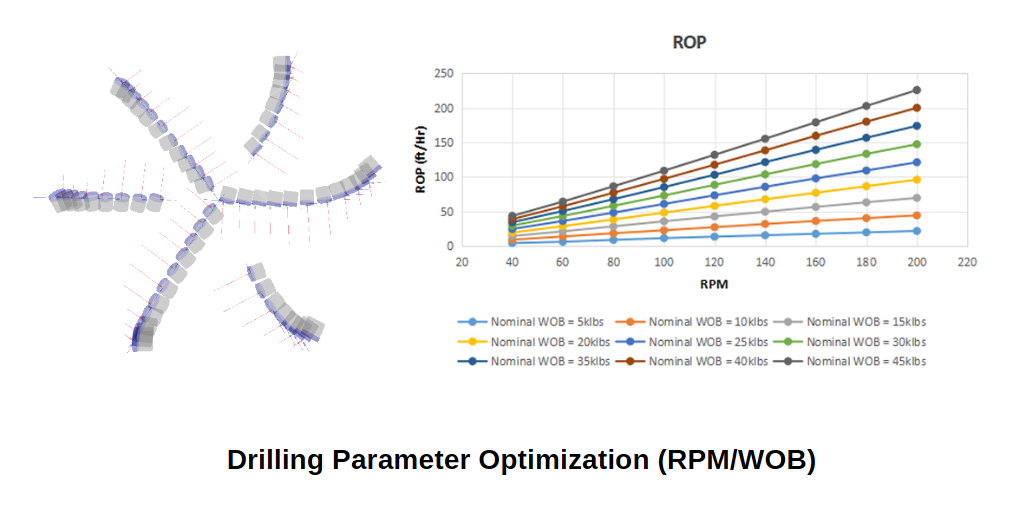
Assess how different combinations of weight on bit (WOB) and rotary speed (RPM) may influence bit performance such as the rate of penetration (ROP).
Evaluate New Cutter Concepts
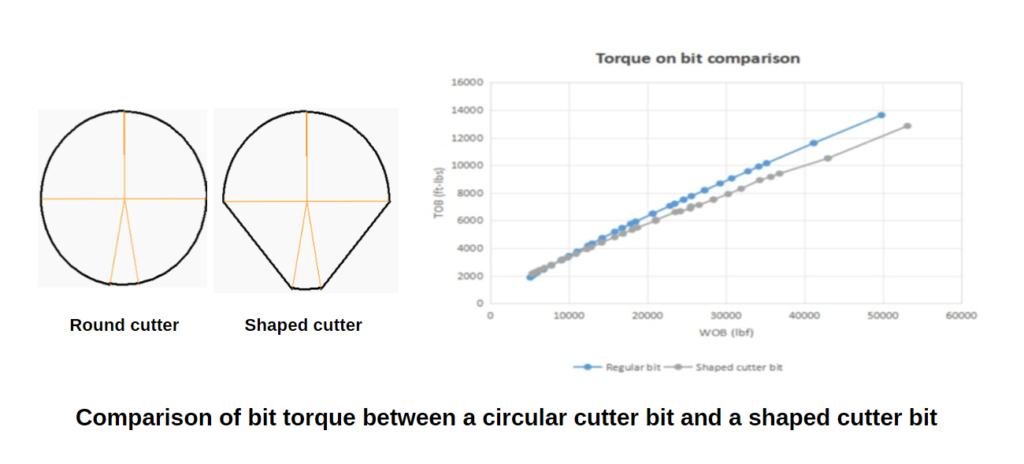
Compare how different cutter or bit concepts may respond under the same drilling conditions, including bit torque and other performance indicators.
DrillingMechanics 2026
Overview
DrillingMechanics helps engineering teams predict full-scale drill-string mechanical behavior in complex three-dimensional wells before field deployment. It provides a practical way to evaluate how a given drill-string or BHA configuration may respond under realistic downhole drilling conditions.
Key Capabilities
Simulate Drill-String Behavior
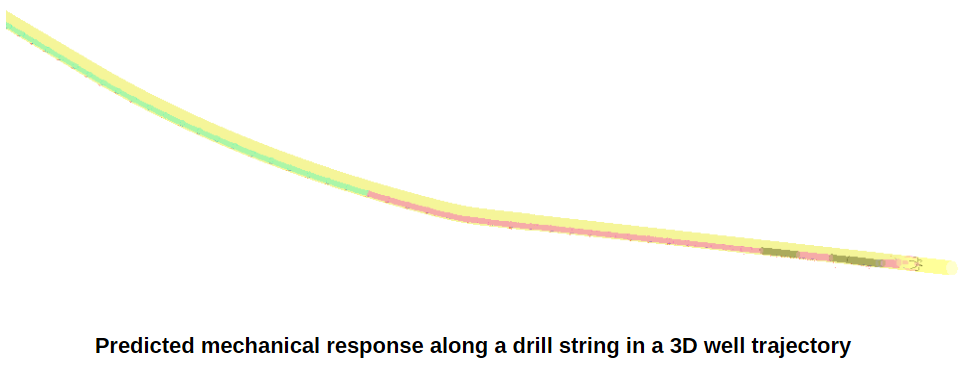
Simulate full-scale drill-string behavior in any 3D well trajectory.
Assess mechanical responses, including axial and shear forces, torque, bending moments, contact and friction forces, drill-string deformation and rotation.
Predict Buckling Behavior
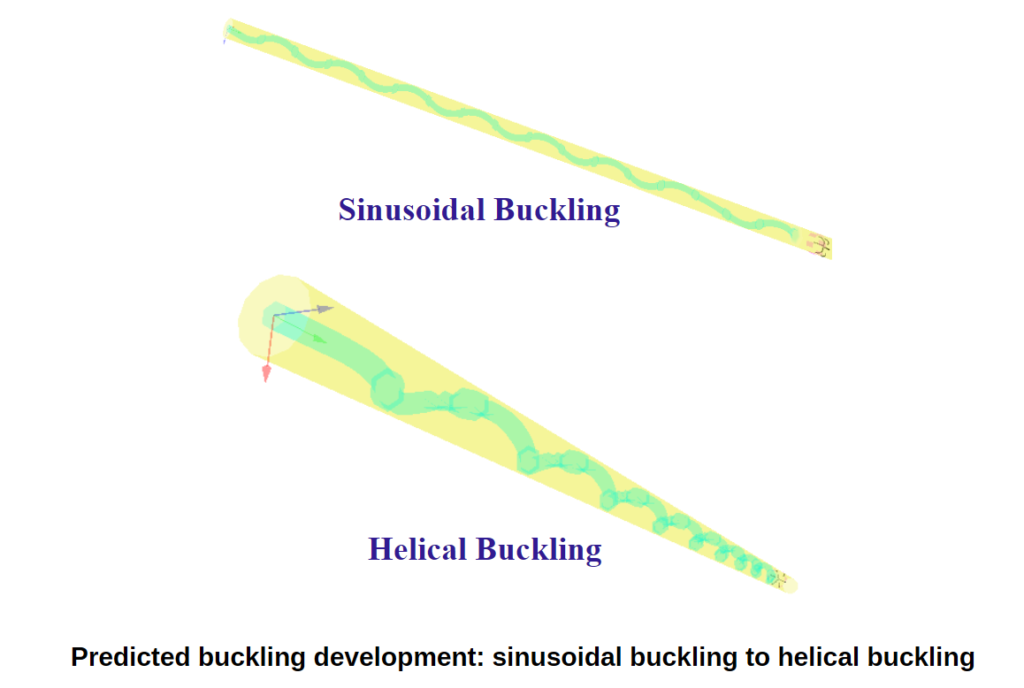
Predict drill-string buckling initiation and evolution, including both sinusoidal and helical buckling in complex well geometries.
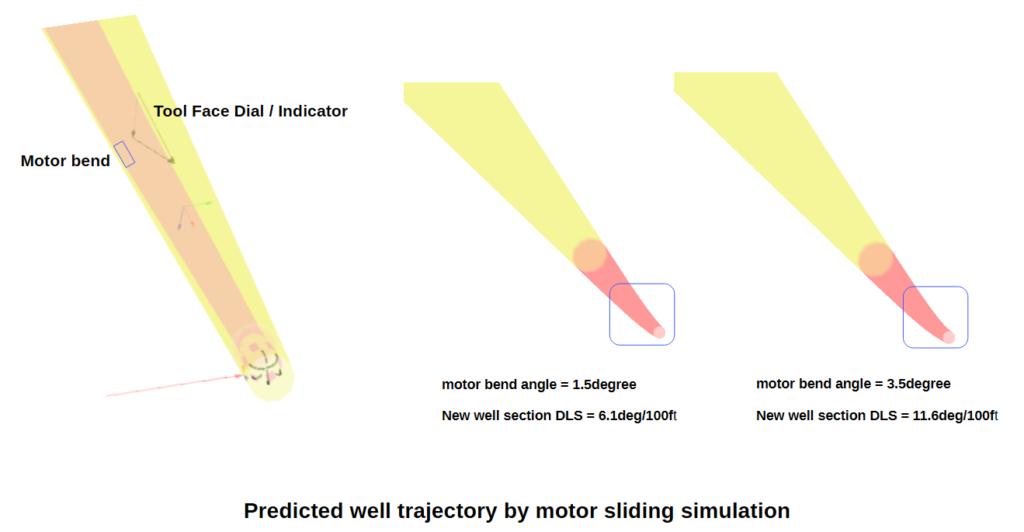
Predict Directional Tendency and Well Trajectory
Evaluate how a given BHA configuration and operational parameters will influence directional tendency and well trajectory.
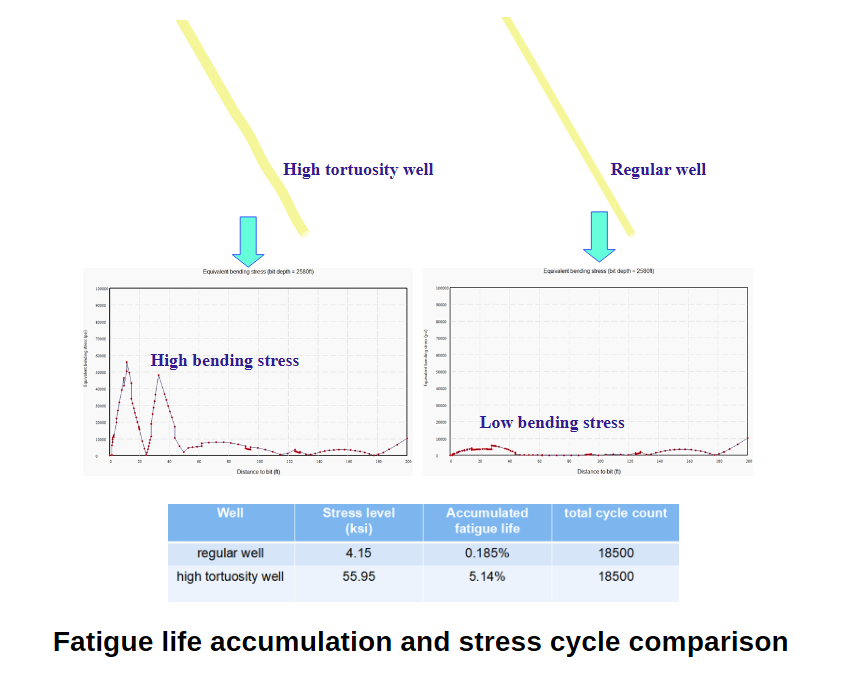
Assess Fatigue Damage
Assess fatigue accumulation and predict fatigue life of fatigue-prone regions along the drill-string based on drill-string mechanical response.
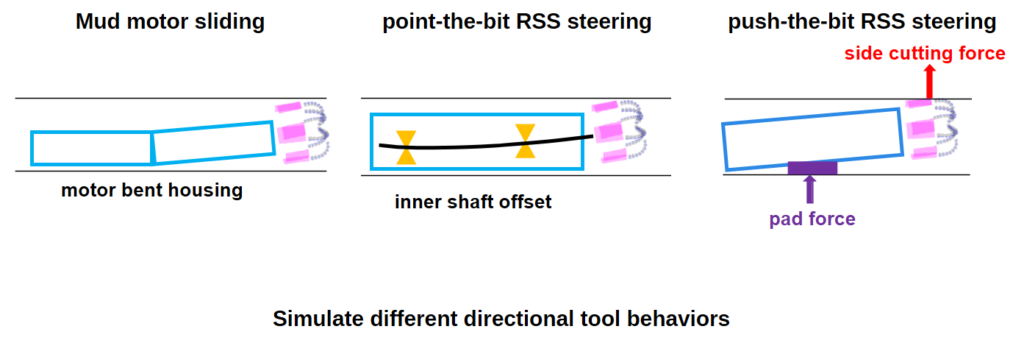
Compare Directional Mechanisms
Compare the performance of mud motor sliding, point-the-bit RSS steering, and push-the-bit RSS steering under consistent drilling conditions.